
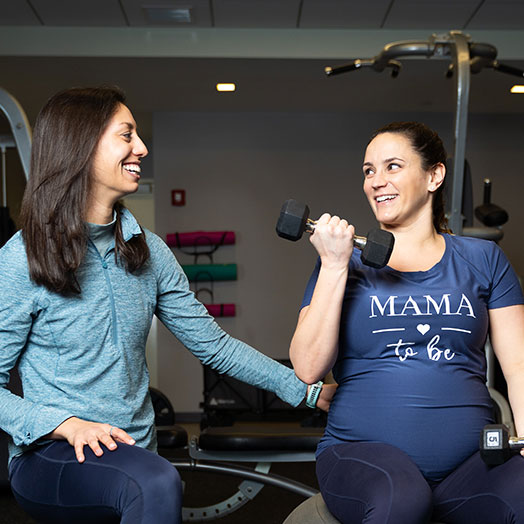
When you are dealing with pelvic floor dysfunction, a persistent running injury, or the physical changes that come with pregnancy, your first question is usually: how long until I feel better? You want to get back to your favorite long run, lift without discomfort, or simply pick up your child without pain. At Pacer Physical Therapy, we understand the frustration of being sidelined and the desire to see results quickly.
Recovery is a journey that requires patience, but it should also be guided by a clear roadmap. Our team is here to make your recovery as efficient and effective as possible.
Typical Timelines for Common Injuries
While every person is unique, many patients begin to notice meaningful changes in pain and function within four to six weeks. This initial phase often focuses on reducing discomfort and restoring basic movement patterns. The total duration of your care, however, depends on the nature of your condition.
- Muscle strains and ankle sprains: Acute injuries like a hamstring strain or ankle sprain may resolve in six to eight weeks with a dedicated program of therapeutic exercise and manual therapy.
- Overuse injuries: Conditions like plantar fasciitis or IT band syndrome often require eight to twelve weeks to address the underlying biomechanical issues driving the problem.
- Low back pain and sciatica: Depending on severity, low back pain and related sciatica symptoms typically respond well within six to ten weeks when soft tissue mobilization and neuromuscular re-education are part of the plan.
- Pelvic health conditions: Addressing issues like incontinence, prolapse, or diastasis recti involves retraining the brain-muscle connection. Bladder and bowel improvements may appear within a few weeks, while building core resilience for heavier demands can take several months.
- Prenatal and postpartum recovery: Timelines here are fluid, as care works alongside your body’s natural physiological changes throughout pregnancy and beyond.

Factors That Influence Your Progress
Several factors play a significant role in how quickly you reach your goals. Understanding them helps set realistic expectations for your physical therapy in Boston.
Consistency Between Sessions
The work you do between appointments at Pacer Physical Therapy is just as important as the time you spend with your therapist. Adhering to your personalized therapeutic exercise program ensures your body continues to adapt and grow stronger every day.
Movement Quality and Biomechanics
A functional movement assessment or movement screen allows your therapist to see how your entire body moves, not just the area that hurts. If only the pain is treated without addressing the faulty movement pattern behind it, recovery takes longer and the injury is more likely to return.
Prenatal and Postpartum Considerations
For pregnant and postpartum patients, hormones can affect joint laxity, and the physical demands of caring for a newborn add another layer of complexity. These unique factors are built into your care plan to ensure progress happens without overtaxing your system.
Severity and Chronicity
A recent ankle sprain and a long-standing hip impingement require very different approaches. Conditions like hip impingement (FAI), labral tears, or meniscus injuries that have been present for months typically need more time and a more layered treatment strategy.
How Pacer Physical Therapy Supports Faster, Lasting Recovery
Pacer Physical Therapy is built around a model of care designed to maximize your time and results.
One-on-One, 60-Minute Sessions
You receive a full hour of focused, individualized attention with your therapist. This allows for deeper manual therapy, thorough application of techniques like dry needling, cupping, and myofascial release, and nuanced coaching that simply is not possible in a high-volume clinic setting.
Integrated Strength and Conditioning
We bridge the gap between rehabilitation and performance. By incorporating strength and conditioning and personal training principles into your physical therapy, we ensure your body is truly prepared for the demands of your sport or daily life, not just free of pain.
Running-Specific Care
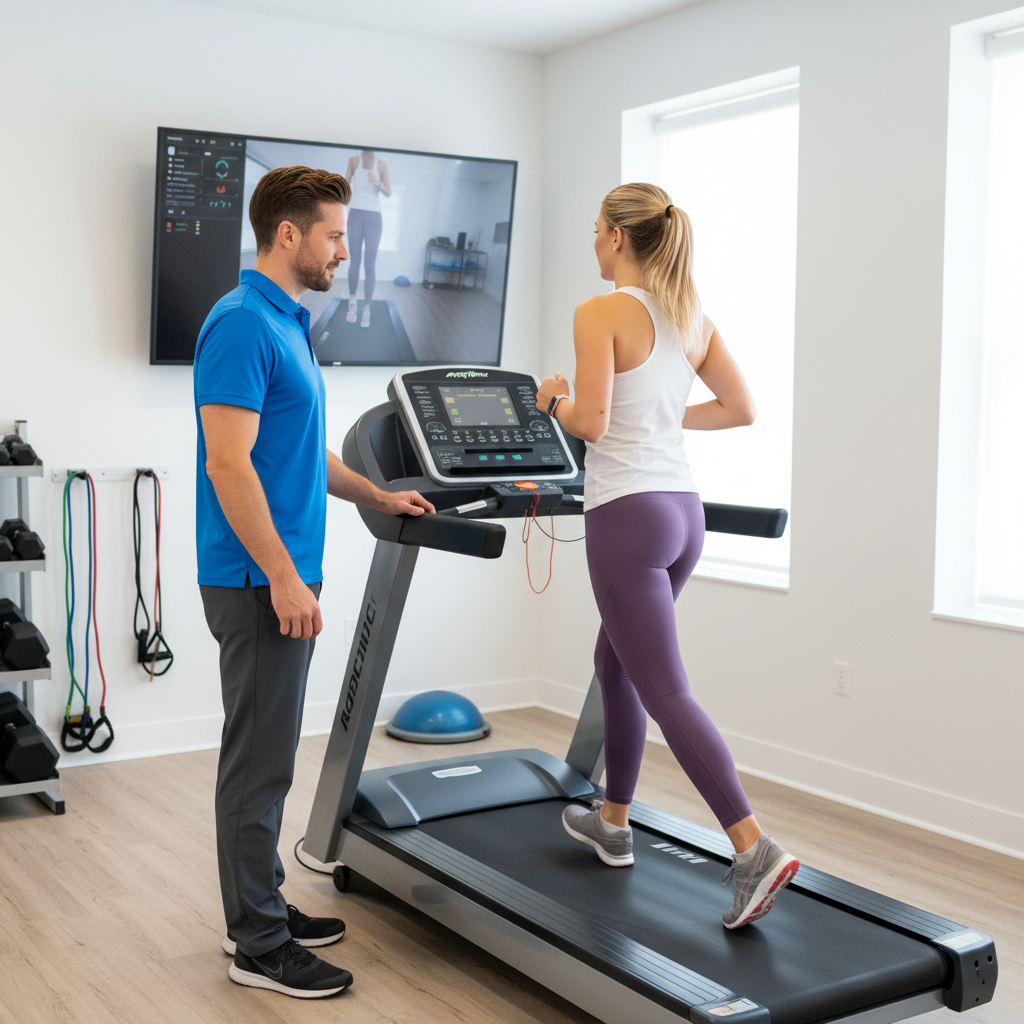
For runners dealing with injuries like IT band syndrome, plantar fasciitis, or hamstring strains, a running gait analysis or running form assessment can identify the mechanical contributors to your injury. This makes your recovery more targeted and helps reduce the risk of the same problem recurring.
Direct Access in Massachusetts
In Massachusetts, you do not need a referral or prescription to begin physical therapy. This means you can start your recovery the moment symptoms appear, rather than waiting weeks for a physician’s appointment and losing valuable healing time.
Maintaining Long-Term Results
Getting out of pain is the first milestone, not the finish line. Once your initial symptoms have resolved, the focus shifts toward performance and healthy aging. For runners, this might mean a return-to-running program built around your gait analysis findings. For postpartum patients, it might mean a structured return-to-sport progression that accounts for where your body is in recovery.
By equipping you with breathwork and diaphragmatic training, postural strategies, and a sustainable strength program, Pacer Physical Therapy gives you the tools to manage your own health long after formal care ends.
Ready to stop guessing and start moving forward? Connect with the team at Pacer Physical Therapy to begin a personalized recovery plan built around your goals.