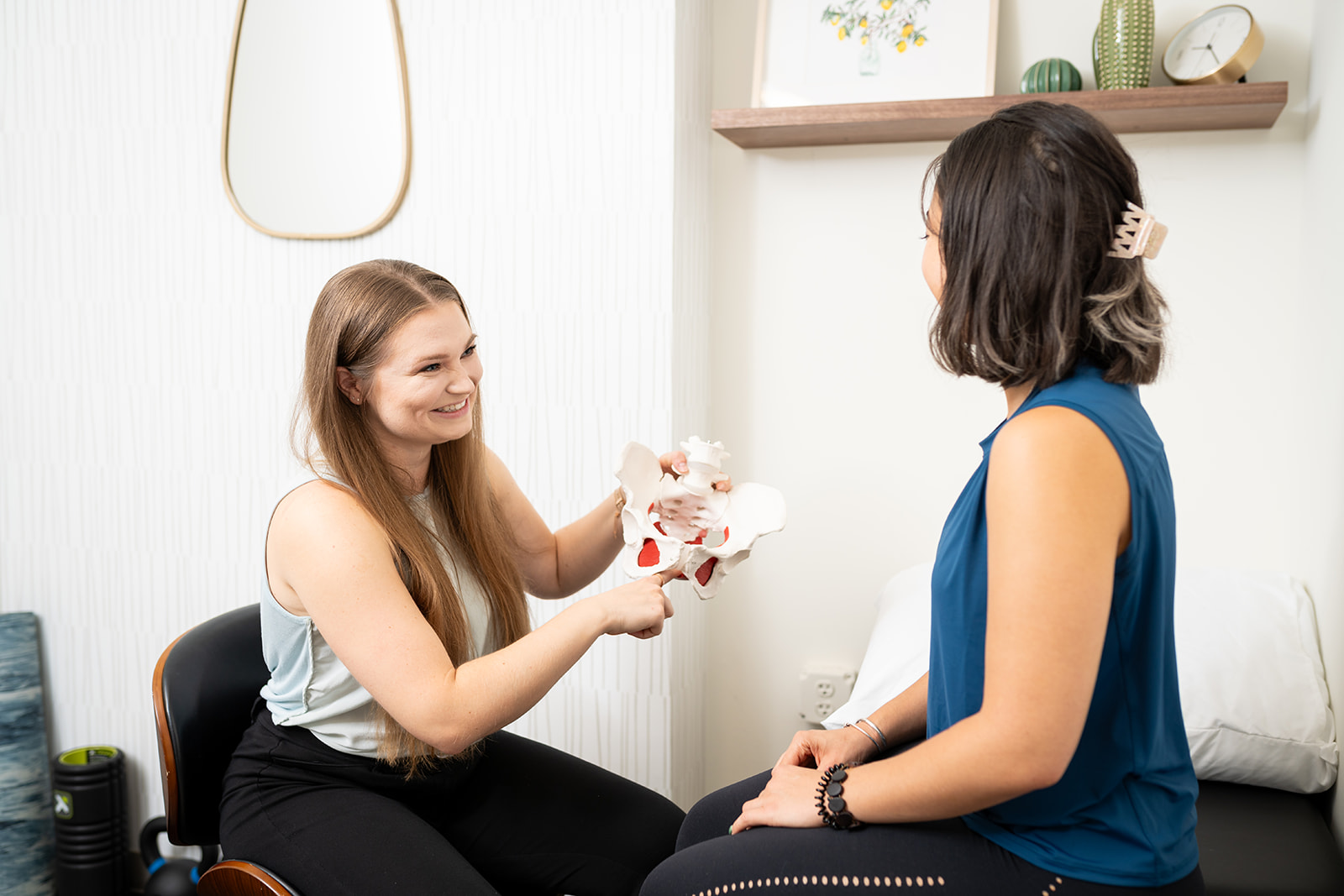
If you are a runner in Boston, you know that nagging pain does not just slow your pace. It can shake your confidence, disrupt your training plan, and leave you wondering if you will ever feel like yourself again on the pavement. Whether you are training for the Boston 10K for Women, easing back into postpartum running, or simply trying to stay consistent with your weekly miles, finding the right physical therapy partner matters more than you might think.
Not all physical therapy clinics are built with runners, and especially female runners, in mind. At Pacer Physical Therapy in Back Bay, Boston, we understand that your body’s needs go beyond a generic treatment plan. Here is what to look for when choosing a clinic, and why so many local runners trust us with their recovery and performance goals.
The Runner’s Dilemma: When Pain Halts Your Progress
Running injuries rarely happen overnight. They build gradually, often ignored until they become impossible to push through. Common culprits include IT band syndrome, plantar fasciitis, hip impingement, hamstring strain, ankle sprains, and general overuse injuries or tendonitis. These are not simply part of running. They are signals that something in your movement pattern, strength, or recovery needs attention.
For women, the picture is often more complex. Many runners experience pelvic floor dysfunction, such as leaking during runs or pelvic pain, that traditional orthopedic clinics may overlook. Postpartum runners frequently deal with diastasis recti or core weakness that directly affects form and stability. A clinic that does not address these realities is only treating part of the problem.
What Defines Runner-Focused Physical Therapy in Boston
Choosing the right clinic means looking beyond a list of services. It means finding a team with the expertise, time, and tools to treat you as a whole person, not just an injury.
Expertise That Goes Deeper
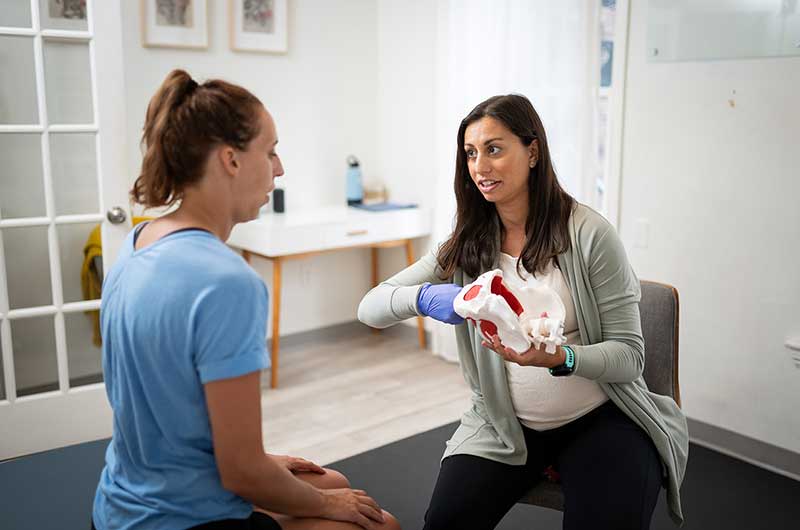
At Pacer Physical Therapy, every provider is a Doctor of Physical Therapy with advanced training in both pelvic health physical therapy and strength and conditioning. This dual expertise means you are not choosing between a running specialist and a pelvic floor physical therapist. You get both, working together within a single, cohesive plan.
Unrushed, One-on-One Care
Healing takes time and attention. Every new patient receives a 75-minute comprehensive evaluation, followed by 60-minute one-on-one follow-up sessions. There are no shared time slots and no rushed appointments, just focused care built entirely around your goals.
Comprehensive Assessment and Treatment Tailored for Runners
Effective running physical therapy starts with understanding why the problem developed in the first place, not just where it hurts.
Finding the Root Cause
Pain rarely starts where it hurts. That is why Pacer Physical Therapy uses a thorough suite of assessment tools to understand exactly how your body moves and where the breakdown is occurring:
- Running Gait Analysis
- Running Form Assessment
- Functional Movement Assessment
- Movement Screen
- Return-to-Sport Testing
These assessments allow your provider to connect the dots between your running mechanics, strength deficits, and any pelvic health concerns that may be contributing to your symptoms.
Treatment That Works From the Inside Out
Once the root cause is identified, your provider builds a plan using proven techniques, including:
- Manual therapy and myofascial release
- Dry needling and cupping
- Joint mobilization
- Soft tissue mobilization
- Therapeutic exercise and neuromuscular re-education
- Breathwork and diaphragmatic training
- Pelvic floor internal assessment and treatment techniques
For runners managing pelvic floor symptoms, internal pelvic floor techniques and breathwork are integrated alongside strength training. Your pelvic health and running goals are treated as one connected system, not separate issues.
Supporting Runners Through Every Life Stage
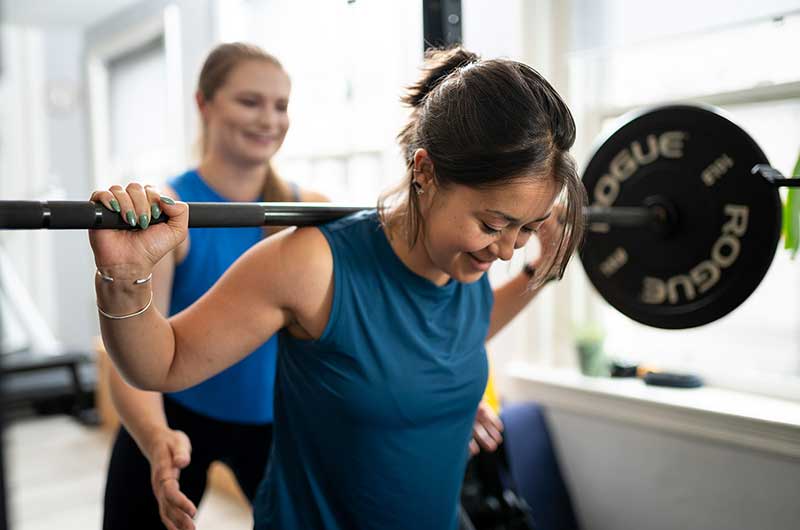
Running looks different depending on where you are in life. Prenatal physical therapy can help you stay active and comfortable during pregnancy, while postpartum physical therapy supports a safe and confident return to running after delivery. Pacer Physical Therapy is equipped to meet you at every stage.
Prenatal and Postpartum Running Support
Prenatal support focuses on maintaining strength, managing pelvic pain, and preparing the body for the demands of labor and delivery. Postpartum recovery addresses conditions like diastasis recti, prolapse, and incontinence, all of which can directly impact a runner’s ability to return to training safely.
Programs like Strong as a Mother are designed specifically to support mothers through pregnancy, postpartum recovery, and their return to fitness, with care that evolves alongside them.
A Clinic Built for the Boston Running Community
Pacer Physical Therapy is proud to be an active part of the Boston running community, including involvement with the Boston 10K for Women. The clinic also offers Mommy and Me Bootcamp for women who want community and connection alongside their recovery.
As an out-of-network clinic, Pacer Physical Therapy designs every treatment plan based purely on your needs and goals. This means longer sessions, specialized techniques, and a continuum of care that follows you from prenatal through perimenopause and beyond.
Your Next Stride Toward Uninterrupted Running
Choosing where to go for physical therapy as a runner in Boston is not just about fixing pain. It is about finding a team that understands the full picture of your health, from your training goals to your pelvic floor to your postpartum recovery.
Pacer Physical Therapy was built to bridge that gap, combining expert running physical therapy with specialized pelvic health care in one seamless plan. If you are ready to run stronger and feel supported every step of the way, schedule your comprehensive evaluation with our Back Bay, Boston team today.