Pelvic pain can be confusing.
It can present as pressure, aching, burning, tightness, cramping, soreness, or a sharp or stabbing sensation. Sometimes it is easy to identify where the pain is coming from. Other times, it can feel like your entire pelvis is uncomfortable without a clear explanation.
Pelvic pain can also show up in less obvious ways, including urinary urgency or frequency, bladder discomfort, painful vaginal penetration, pain with exercise, or difficulty relaxing the pelvic floor.
The good news? Pain is information. Pain is influenced by many factors, including the sensitivity of the nervous system, previous experiences of pain, stress, sleep, hormonal changes, and the context in which symptoms occur. Learning what your symptoms are trying to tell you can be an important part of getting better.
Your Pelvic Floor May Be Part of the Pelvic Pain Picture
The pelvic floor is a group of muscles that supports the pelvic organs and contributes to bladder and bowel control, sexual function, and pressure management.
Like any muscle, the pelvic floor needs to be able to contract, relax, lengthen, and respond to movement and pressure. Sometimes these muscles become tender, sensitive, or difficult to relax.
This does not mean that pelvic pain is always caused by a “tight pelvic floor.” Pelvic pain is complex, and the pelvic floor is just one potential contributor. When the pelvic floor is tender or difficult to relax, addressing the muscles can be an important part of treatment.1,2
“Why does it feel like I have a UTI?”
Pelvic floor tension can sometimes contribute to urinary symptoms such as burning, frequency, urgency, or difficulty fully emptying your bladder. Overactive pelvic floor muscles can increase sensitivity around the bladder and urethra and interfere with normal muscle coordination during urination.
This is one reason pelvic floor PT isn’t always about strengthening. Treatment may instead focus on relaxation, coordination, reducing muscle tension, and addressing painful or sensitive tissues.1
New or persistent urinary symptoms should still be evaluated by a healthcare provider to rule out a UTI or other conditions.
“Why does penetration hurt?”
Pain with vaginal penetration may feel like burning, stinging, stretching, pressure, aching, or sharp pain at the vaginal opening, deeper in the pelvis, or both.3
After experiencing pain repeatedly, your body may begin to anticipate it. You might unconsciously tighten your pelvic floor, hold your breath, or brace in preparation.
This can create a cycle:
Pain → anticipation → muscle guarding → increased sensitivity → more pain
The pain is not “in your head.” Your muscles and nervous system are responding to a sensation they perceive as threatening. Treatment can help gradually break this cycle and teach your body that movement, touch, and penetration can be safe and comfortable.4
Your Pelvic Pain Symptoms Can Give You Clues
Instead of asking only “What is causing my pain?”, try asking:
- When do I notice my symptoms?
- What makes them better or worse?
- Do I notice myself holding tension or bracing?
- Does my pain change with stress, fatigue, sleep, or my menstrual cycle?
- Does movement help or make things worse?
- Do my urinary, bowel, sexual, or musculoskeletal symptoms change together?
These patterns can provide valuable information for you and your healthcare team.
What Can Pelvic Floor PT Do?
Pelvic floor physical therapy is not just Kegels. Treatment depends on your symptoms and evaluation and may include3,5:
- Pelvic floor relaxation: Learning to recognize and release unwanted tension
- Breathing and pressure management: Improving coordination between the diaphragm, abdominal muscles, and pelvic floor
- Manual therapy: Addressing painful or sensitive muscles and connective tissues when appropriate
- Movement and strengthening: Building strength where it is needed, including the hips, core, or pelvic floor
- Bladder and bowel strategies: Addressing habits and behaviors that may contribute to symptoms, such as constipation or difficulty emptying
- Gradual exposure: Progressively reintroducing touch, movement, dilators, or penetration when appropriate
Looking for a gentle strategy to support bowel movements? Abdominal massage may be helpful for some people experiencing constipation. Check out our video here to learn more!
Overall, the goal isn’t to simply “push through” pain. It’s to understand what your body is responding to and find strategies that help you feel more comfortable, confident, and in control.
When Should You Seek Help for Pelvic Pain?
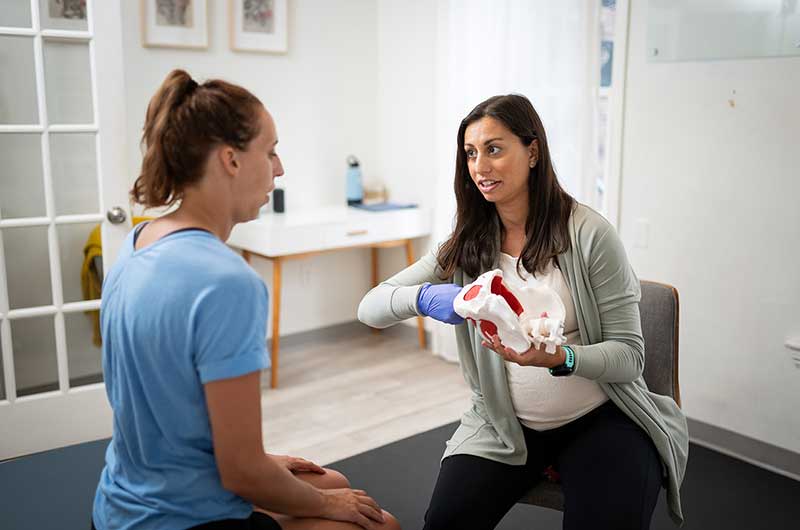
Pelvic pain that is persistent, recurrent, worsening, or interfering with daily activities, exercise, bladder or bowel function, or sexual activity deserves evaluation. You don’t have to wait until the pain becomes severe.
A pelvic health physical therapist can work alongside your physician and other healthcare providers to identify potential musculoskeletal and pelvic floor contributors and develop an individualized treatment plan.
Your pain is real. Your symptoms are information. Understanding what your body is telling you can be the first step toward feeling better.
How Pacer Physical Therapy Can Help
At Pacer Physical Therapy, we take a whole-body approach to pelvic health. Whether you’re experiencing pelvic pain, bladder symptoms, pain with vaginal penetration, postpartum changes, or discomfort with exercise, our goal is to understand what may be contributing to your symptoms and what your body needs to feel better.
You don’t have to simply live with pelvic pain—and you don’t have to figure it out alone.