Have you ever experienced pain, burning, tightness, or a feeling that your body is resisting penetration during sex? Maybe inserting a tampon feels uncomfortable, gynecological exams are painful, or you find yourself tensing up in anticipation of discomfort. These experiences can sometimes be associated with vaginismus, a condition involving involuntary tightening of the pelvic floor muscles that can make vaginal penetration painful or difficult.
If this sounds familiar, you are not alone. And more importantly, you do not have to accept painful sex as your normal.
Pain with penetration is common, but that does not mean it is something you should have to tolerate. There are many possible causes of pelvic pain, and pelvic floor physical therapy can be an important part of treatment for people experiencing vaginismus and other forms of painful penetration.
What Is Vaginismus?
Vaginismus describes involuntary tightening or guarding of the muscles surrounding the vagina and pelvic floor that can make penetration painful, difficult, or sometimes impossible.
This response can occur during sexual intercourse, tampon insertion, or gynecological examinations. Some people experience a sensation of burning or pressure, while others describe a feeling of hitting a wall or being unable to relax enough for penetration.1
Vaginismus is often discussed alongside a condition called genito-pelvic pain/penetration disorder (GPPPD), which can involve persistent difficulty with penetration, pelvic pain, fear or anxiety related to pain, or involuntary pelvic floor tightening.
It is important to understand that vaginismus is not simply a matter of being nervous or not relaxing enough. The pelvic floor muscles may be responding protectively to actual or anticipated pain, and that response can become difficult to control.
Pain can also have other causes, including vaginal dryness, hormonal changes, vulvar skin conditions, infections, endometriosis, or other pelvic health conditions. Sometimes several factors contribute at once, which is why an individualized evaluation is important.2
Vaginismus Symptoms: What Does It Feel Like?
Vaginismus can look different from person to person. Common experiences include:
- Pain, burning, or stinging with vaginal penetration.
- A feeling of tightness, pressure, or resistance at the vaginal opening.
- Difficulty inserting tampons or menstrual cups.
- Discomfort during gynecological examinations.
- Involuntary pelvic floor tightening when anticipating penetration.
- Pain that continues during intercourse or lingers afterward.
- Anxiety, frustration, or avoidance related to anticipated pain.
Some people experience symptoms only with certain activities or types of penetration. Others may have difficulty with any insertion.1
You do not need to experience every symptom to benefit from an evaluation.
Why Do We Need to Stop Treating Painful Sex as Normal?
Painful sex is more common than many people realize, partly because it can be difficult to talk about. People may assume discomfort is expected, that they simply need to relax, or that pain is an unavoidable part of their anatomy.
But common does not mean normal, inevitable, or something you should push through.
Pain during sex is not a personal failure. It does not mean your body is broken, that you are doing something wrong, or that you are not trying hard enough.
When penetration hurts, your body may respond by tightening the pelvic floor muscles to protect the area. If you anticipate pain the next time, you may unconsciously brace or tense those muscles before penetration even begins. This can create a cycle in which pain and muscle guarding reinforce one another.
Importantly, this response is not necessarily voluntary. Telling yourself to relax may not be enough to change it.
Continuing penetration when it is painful can reinforce the association between penetration and discomfort. Instead of pushing through pain, it is generally more helpful to pause, identify what is contributing to the symptoms, and work toward comfortable movement and touch at your own pace.
You deserve a comfortable, pain-free experience, and help is available.
What Causes Vaginismus?
There is rarely one explanation that applies to everyone. Potential contributing factors include:2
Pelvic floor muscle overactivity. The muscles surrounding the vagina may remain tense or have difficulty lengthening and relaxing when needed. This can make penetration uncomfortable even when the muscles are also weak or lack endurance.
Previous pain or injury. Painful sexual experiences, pelvic procedures, childbirth-related injuries, or other sources of pelvic discomfort may contribute to protective muscle guarding.
Anticipation of pain. If penetration has hurt in the past, the nervous system may begin preparing for discomfort before it occurs. This does not mean the pain is imagined; anticipation and physical responses can influence each other.
Hormonal changes or vaginal dryness. Breastfeeding, menopause, certain medications, and other hormonal changes can contribute to dryness or tissue sensitivity, which may trigger or worsen pelvic floor guarding.
Other pelvic health conditions. Conditions such as vulvodynia, endometriosis, infections, or dermatologic conditions can cause pain that may overlap with vaginismus.
Emotional stress, anxiety, and past experiences may also play a role for some people, but there is no single psychological explanation for vaginismus. It can occur regardless of sexual history, relationship status, or whether someone has experienced trauma.
How Can Pelvic Floor Physical Therapy Help Vaginismus?
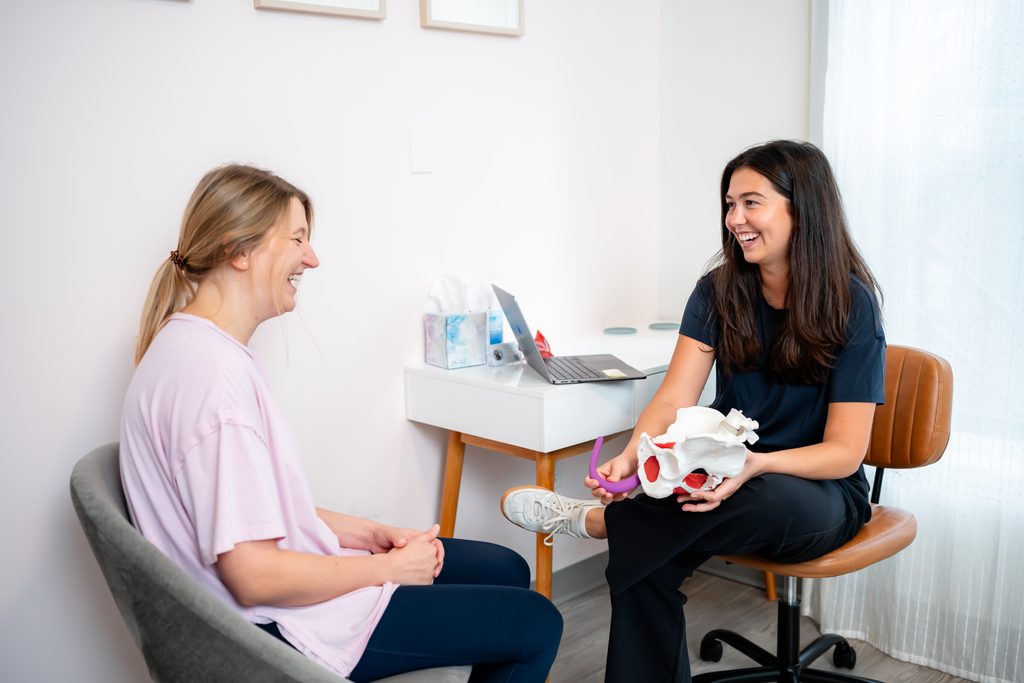
Pelvic floor physical therapy can help you understand how your pelvic floor muscles are functioning and develop strategies to reduce pain and improve comfort with penetration.
Treatment is individualized and may include:3
- Learning to relax the pelvic floor: Practicing coordination between breathing, abdominal movement, and pelvic floor lengthening.
- Manual therapy, when appropriate: Gentle external or internal techniques may help address muscle tenderness, sensitivity, and difficulty relaxing. Internal treatment is never required without your informed consent.
- Improving muscle coordination: Learning when to contract the pelvic floor and, just as importantly, when to release it.
- Gradual exposure to comfortable movement or insertion: Progressing at a pace that feels safe and manageable, without forcing through pain.
- Education and strategies for sexual activity: Exploring comfortable positions, lubrication, pacing, communication, and ways to reduce pressure or discomfort.
Depending on your symptoms, treatment may also involve coordination with a gynecologist, vulvar pain specialist, sex therapist, or other healthcare professional.1
When Should You Seek Help for Painful Penetration?
Consider speaking with a healthcare professional if you regularly experience pain with penetration, tampon insertion, or gynecological examinations, or if you find yourself avoiding activities because you anticipate pain.
A gynecologist or other qualified clinician can help assess possible medical causes. A pelvic floor physical therapist can evaluate muscle function, coordination, tenderness, and contributing movement patterns.2
Seek prompt medical evaluation for new or severe pelvic pain, fever, unusual discharge, unexplained bleeding, or symptoms that may indicate an infection or another medical condition.
You do not need to wait until penetration is impossible or the pain becomes severe to ask for help.
You Deserve Comfortable, Pain-Free Intimacy
Vaginismus can be frustrating, isolating, and difficult to discuss. But it is treatable, and there is no single timeline or approach that works for everyone.
With the right support, you can learn to understand your pelvic floor, reduce unnecessary muscle guarding, and gradually work toward more comfortable experiences.
Remember: sex should not be something you have to endure. Pain is a reason to pause, not push through.
If you are experiencing painful penetration, a pelvic floor physical therapy evaluation can be a helpful first step toward understanding what is happening and finding an approach tailored to you.
Interested in learning more about pelvic floor physical therapy? Contact us to discuss your symptoms and explore whether an individualized pelvic health evaluation may be right for you.
Citations
- Melnik T, Hawton K, McGuire H. Interventions for vaginismus. Cochrane Database of Systematic Reviews 2022, Issue 3. Art. No.: CD001760. DOI: 10.1002/14651858.CD001760.pub2.
- American College of Obstetricians and Gynecologists. When sex is painful. Reviewed May 2026. Accessed October 15, 2026. https://www.acog.org/womens-health/faqs/when-sex-is-painful
- van Reijn-Baggen DA, Han-Geurts IJM, Voorham-van der Zalm PJ, Pelger RCM, Hagenaars-van Miert CHAC, Laan ETM. Pelvic Floor Physical Therapy for Pelvic Floor Hypertonicity: A Systematic Review of Treatment Efficacy. Sex Med Rev. 2022;10(2):209-230. doi:10.1016/j.sxmr.2021.03.002