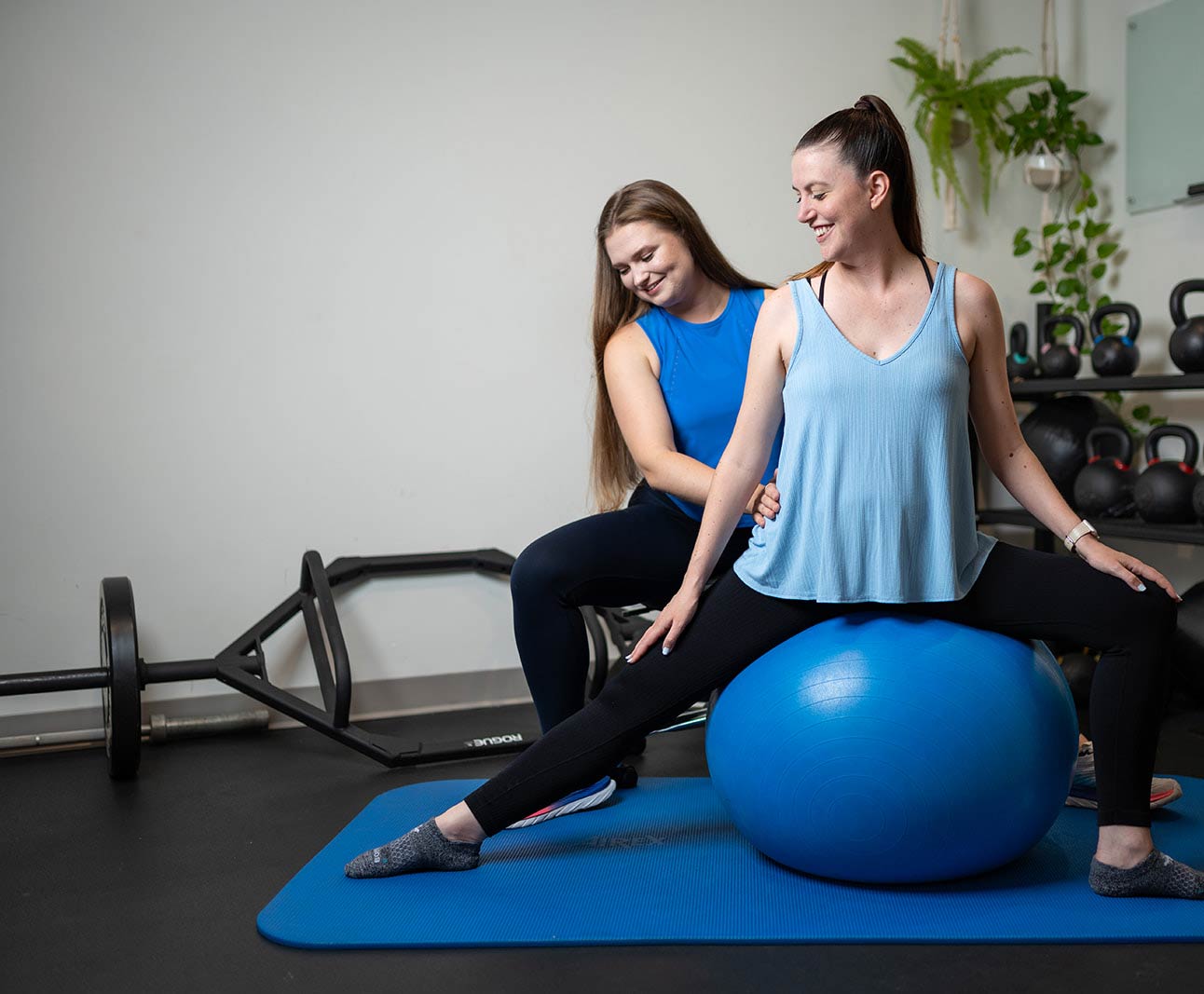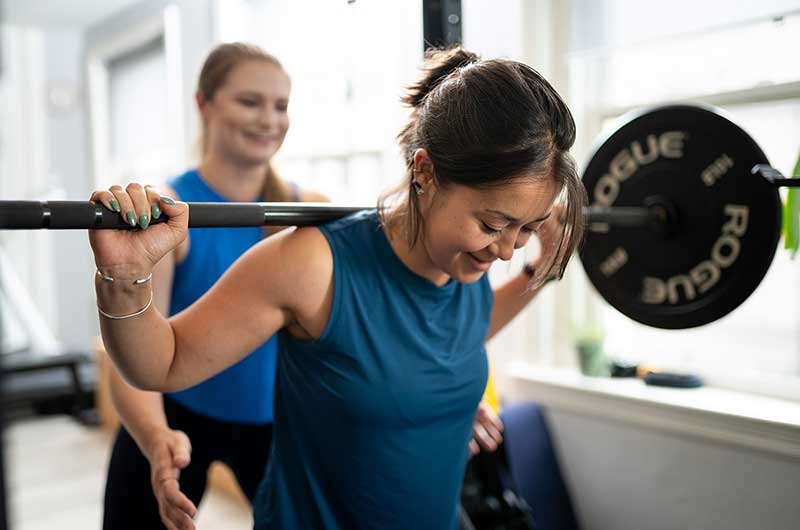
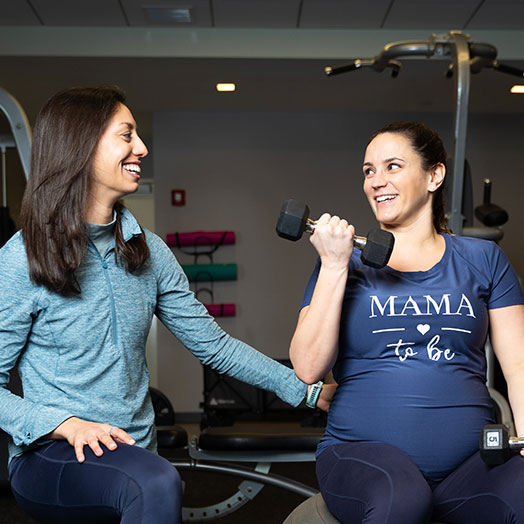
If you’re pregnant with your second baby, you may be wondering: “Do I really need pelvic floor physical therapy this time? I already went through pregnancy and birth once.”
Maybe you had a pelvic floor physical therapist after your first baby. Maybe you never had the chance. Either way, pelvic floor physical therapy during your second pregnancy can help you address current symptoms, prepare for birth, and support your postpartum recovery.
Every pregnancy is different, and your body’s needs may have changed since your first. Prenatal pelvic floor PT isn’t just about treating a problem. It can also help you better understand how your body is functioning, stay active as your pregnancy progresses, and prepare for another pregnancy, birth, and postpartum recovery. 1,2
Your Second Pregnancy May Feel Different
Even if your first pregnancy and postpartum recovery went smoothly, your second pregnancy may bring new challenges. You might experience pelvic or low back pain, urinary leakage, pelvic pressure, or constipation for the first time. Or perhaps you’re hoping to manage symptoms that you experienced during your first pregnancy or after birth.
Your first pregnancy and birth also give us valuable insight into what your body may need this time around. During an evaluation, your physical therapist may ask about:
- Pelvic or low back pain
- Urinary leakage or pelvic pressure
- Constipation or bowel changes
- Pain with intercourse
- A vaginal tear or episiotomy
- C-section or abdominal scar sensitivity
- Difficulty returning to running, lifting, or exercise
These experiences don’t necessarily mean you’ll have the same challenges again. However, they can help your physical therapist identify areas to assess and develop a plan tailored to your current needs.
For example, research suggests that previous pregnancy-related pelvic girdle pain may increase the likelihood of experiencing it again, although many factors contribute to pregnancy-related pain.1,2
What If You Didn’t Do Pelvic Floor PT After Your First Baby?
It’s not too late.
Many women don’t realize that symptoms like urinary leakage, pelvic pressure, painful intercourse, constipation, or persistent back and pelvic pain are things a pelvic floor physical therapist can help with.
You also don’t have to wait until symptoms develop. Prenatal PT can be preventative, rehabilitative, or simply educational.3
What If You Already Have Pelvic Floor PT?
You may still benefit from another evaluation during your second pregnancy.
Your strength, coordination, muscle tension, breathing mechanics, and movement patterns can change over time. Your goals and needs may also be completely different this time around.
For example, your first experience with pelvic floor PT may have focused on urinary leakage and postpartum recovery. During your second pregnancy, you may need help managing pelvic girdle pain, modifying exercise, or preparing for another birth.
Your treatment plan should reflect your body, symptoms, and goals now—not simply repeat what you did last time.
Pelvic Floor PT Is More Than Kegels
Your pelvic floor works together with your diaphragm, abdominal muscles, hips, and spine to support breathing, movement, and pressure management. During pregnancy, pelvic floor physical therapy may address:
- Strength and stability: Maintaining hip, core, and pelvic strength as your body changes.
- Breathing and pressure management: Learning to coordinate your breath, abdominal muscles, and pelvic floor during exercise, lifting, and everyday activities.
- Pelvic floor coordination: The pelvic floor needs to be able to both contract and relax. This becomes particularly important when preparing for birth.
- Pain management: Individualized exercise, movement strategies, education, and manual therapy can help manage pregnancy-related pelvic and low back pain.
- Birth preparation: Depending on your goals, PT can include labor positions, breathing and pushing strategies, pelvic floor relaxation, hip mobility, partner techniques, and perineal massage.
Pelvic floor muscle training during pregnancy has also been shown to reduce the risk of urinary incontinence later in pregnancy and in the early postpartum period.

Your First Birth Doesn’t Determine Your Second
Whether you had a vaginal birth, a C-section, a difficult recovery, or an uncomplicated first pregnancy, your previous experience doesn’t determine exactly what your next pregnancy, birth, or recovery will look like.
Your history is simply one piece of the puzzle.
A pelvic floor PT can help you identify what you can work on now while preparing you for the physical demands of pregnancy, birth, and postpartum recovery.
When Should You See a Pelvic Floor Physical Therapist?
There isn’t one “right” time to start. The best time depends on your symptoms, medical history, and goals.
You may benefit from an evaluation early in pregnancy if you had significant symptoms after your first baby. Others may seek care later in pregnancy for:1,4
- Pelvic, low back, or SI joint pain
- Urinary leakage or pelvic pressure
- Exercise modifications to stay active
- Constipation or bowel changes
- Birth preparation and labor positioning
- Perineal massage
- Pushing strategies and pelvic floor relaxation techniques
Pelvic floor PT can also support your postpartum recovery. As you heal, your physical therapist can help you gradually return to the activities you love—from walking and caring for your children to running, strength training, and Pilates.3
A Fresh Start for Pregnancy #2
Your second pregnancy deserves its own evaluation and care that reflects your needs today.
You don’t need to have experienced pelvic floor symptoms or completed PT after your first baby to benefit from pelvic floor PT during your second pregnancy.
Whether your goal is to prevent symptoms, manage pain, stay active, prepare for birth, or feel confident returning to exercise postpartum, pelvic floor physical therapy can help you feel stronger, more informed, and more prepared for this next chapter.
Your first pregnancy taught you a lot about your body. Your second pregnancy is an opportunity to use what you learned and give your body the support it needs this time around.
Ready to prepare for pregnancy #2?
At Pacer Physical Therapy, we work with pregnant and postpartum patients to address pelvic floor, core, hip, and musculoskeletal concerns throughout pregnancy and beyond.
Reach out to schedule a prenatal evaluation and learn how pelvic floor PT can support you during your second pregnancy.
Check out Citations Here
- Stuge B, Hilde G, Vøllestad N. Physical therapy treatment of pelvic girdle pain in pregnancy: a systematic review. Acta Obstet Gynecol Scand. 2003;82(11):983-990. doi:10.1080/j.1600-0412.2003.00270.xDatabase Syst Rev. 2020;5(5):CD007471. doi:10.1002/14651858.CD007471.pub4
- Burani E, Marruganti S, Giglioni G, Bonetti F, Ceron D, Cozzi Lepri A. Predictive Factors for Pregnancy-Related Persistent Pelvic Girdle Pain (PPGP): A Systematic Review. Medicina (Kaunas). 2023;59(12):2123. Published 2023 Dec 5. doi:10.3390/medicina59122123
- Davenport MH, Nagpal TS, Mottola MF, et al. Prenatal exercise (including but not limited to pelvic floor muscle training) and urinary incontinence during and following pregnancy: a systematic review and meta-analysis. Br J Sports Med. 2018;52(21):1397-1404. doi:10.1136/bjsports-2018-099780
- Woodley SJ, Lawrenson P, Boyle R, et al. Pelvic floor muscle training for preventing and treating urinary and fecal incontinence in antenatal and postnatal women. Cochrane Database Syst Rev. 2020;5(5):CD007471. doi:10.1002/14651858.CD007471.pub4